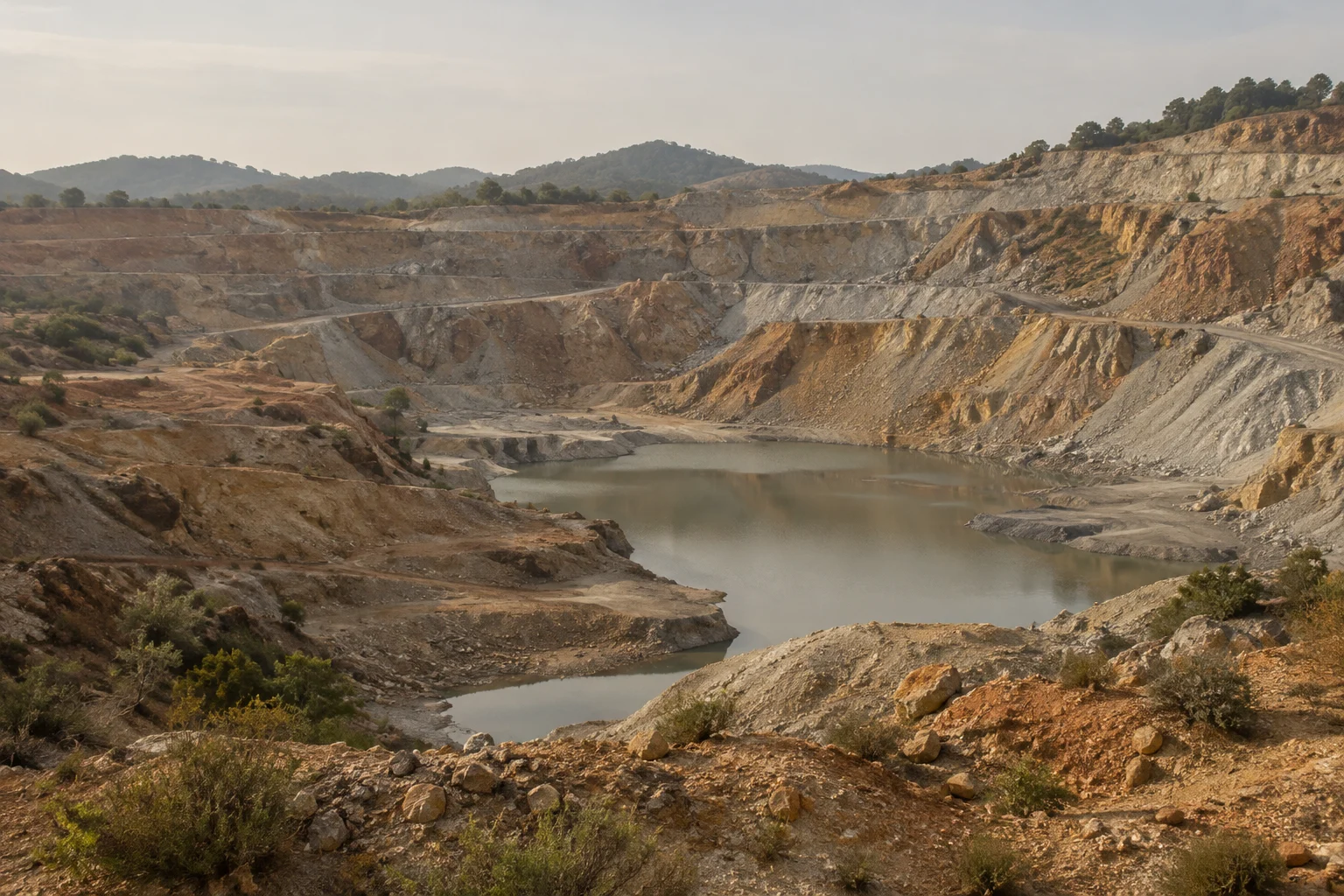
A landscape is never only what can be seen. Its contours hold traces of use, change and absence: a cut in a hillside, a river altered by industry, soil asked to yield more than it can restore. These marks are not a complete record, but they invite us to ask what a place remembers.
Extraction changes more than the ground from which materials are taken. It can change the rhythms of work and everyday life, and the ways people understand their surroundings. Yet the consequences are not identical everywhere. To speak carefully about environmental change is to attend to particular histories rather than treating landscapes as interchangeable backdrops.
Memory gives a way to think about those histories without claiming that one image or story can speak for everyone. In African environmental humanities, as in environmental thought more broadly, attention to place can help connect ecological change with questions of power, livelihood and justice. Interpretation matters, but it should not be mistaken for evidence about a specific community or event.
What remains after extraction is not simply an empty space. A transformed landscape may carry loss, ongoing dependence, and the possibility of imagining different futures. Art and writing can hold these tensions together: noticing what has changed while resisting the idea that change is inevitable or beyond conversation.
To remember a landscape is not to fix it in the past. It is to ask what responsibilities its present condition brings, whose experiences shape its meaning, and what forms of care and development might follow.
Leave a Reply